Category: leadership
-

Deal Gone Wrong: Why Storming Out Is (Almost) Never the Winning Move
Storming out of an opportunity feels heroic in movies, but in real life it’s almost always a costly mistake driven by ego. A momentary emotional relief, but rarely worth it. Learn when to stay and reframe the ‘no.’
-

Why Do Companies Coddle Their Employees? The Unintended Consequences
Have you seen executives talk to employees as if they were children? Good intentions aside, coddling damages far more than what they realize. Performance plummets, disengagement spreads, and the company and customers end up bearing the costs. But there’s a better way, and it’s not optional. Learn what great leaders do.
-

Nostalgia: a trap for leaders looking backward
Nostalgia can be a trap, anchoring everyone to the past and signaling a lack of vision for the future. Clinging to the “good old days” is a failure to envision a future worth pursuing. Leaders take note: your job isn’t to relive the past but to work on a future worth building.
-

The power of changing your mind, or not
Learn when to let go of an outdated idea or when sticking to your guts. From Einstein’s biggest mistake to Darwin’s theory of evolution. An idea may cost or define you.
-

Blueprint of dysfunctional bosses
Working under a boss who seems untouchable, unaccountable, and unable to do their job will get you to consider switching teams or even companies. In “Blueprint of dysfunctional bosses,” I examine the traits that tank morale, discourage innovation, and push talent out the door. From favoritism to reorgs and endless pivots, see how these bosses…
-

The mentor’s timeless role in shaping leaders
Mentors shape leaders, not followers. Learn how they guide apprentices until they become peers, and their interactions are an equal measure of teaching and learning. Who are your mentors?
-

Memories of the future: Believe first, then build
Ever had a vision so vivid it felt like a memory? In “Memories of the future: Believe first, then build” I explore how belief fuels innovation, even when skeptics, hierarchy, and obstacles stand in your way. Learn from leaders like Bezos, Jobs, and Musk, and discover how to turn your ideas into reality. What’s your…
-

The Parallax of Progress: How Hierarchy Warps Project Timelines
Why do project timelines create confusion among hierarchies? Discover how the parallax effect warps perceptions across different levels of management, and how to align them.
-

Rewards and punishments between innovators and second movers
Ever wondered why some companies can launch flawed products and still succeed, while others must be flawless to compete? This article breaks down the strategies that set innovators apart, and how second movers can steal the spotlight.
-
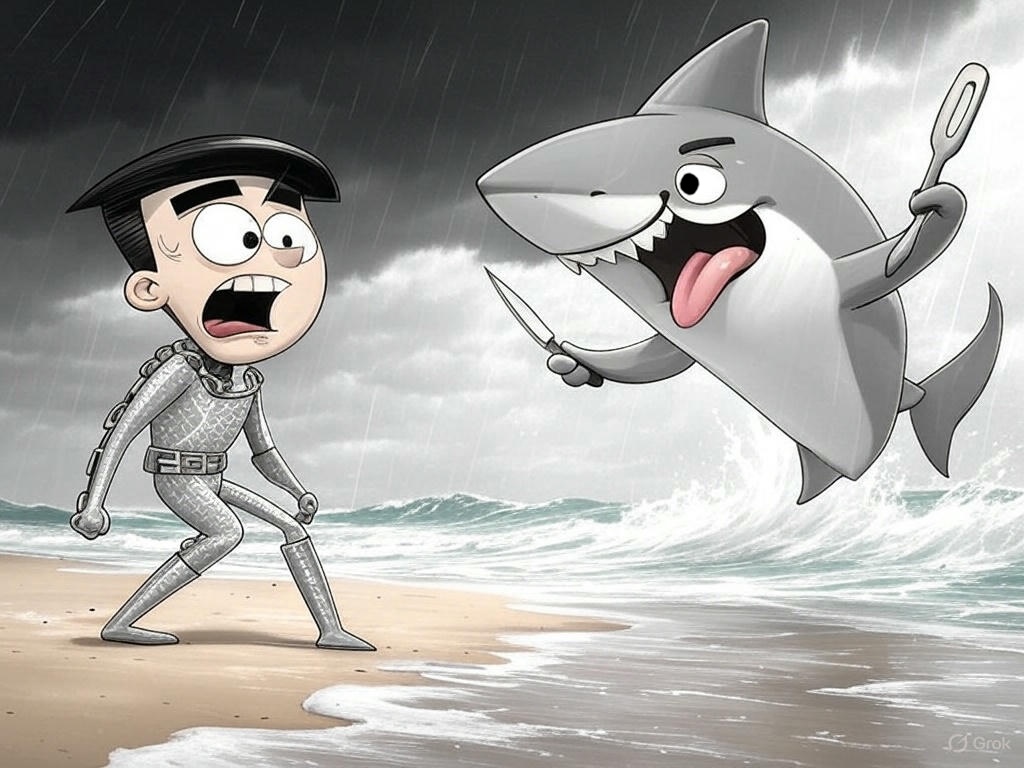
A working framework (until sharks fly)
Struggling with winging process from scratch as if it was always the first time you’re running them? This article explores why frameworks matter, what their purpose is, and when to use them. But beware of those getting lost in improbable what if scenarios.